Campaign Season, Data Season: Keeping Your Political Research Out of Broker Databases
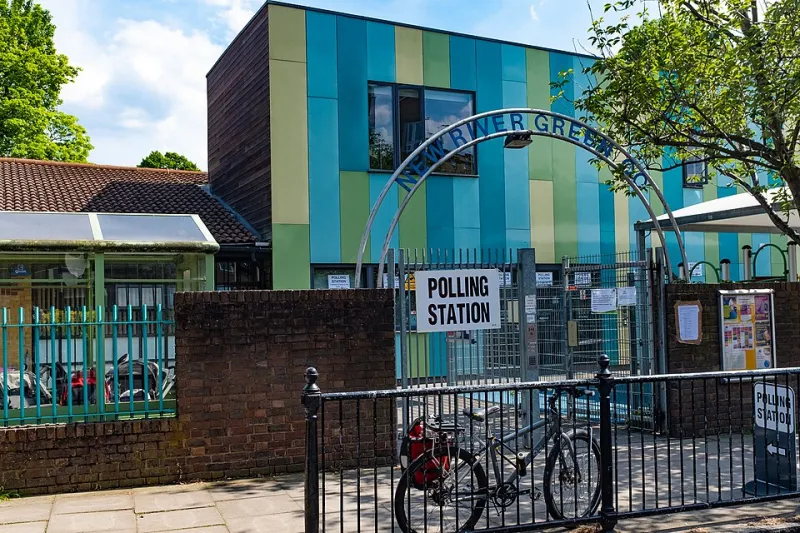
Photo: Russss, CC0, via Wikimedia Commons
Somewhere in a database right now, there is a file that estimates your likely party affiliation, your tolerance for specific policy positions, and the emotional pitch most likely to move you to the polls — or to your wallet. You did not sign up for it. You built it, one search at a time.
Election years are boom time for political data brokers, and the volume of voter profiling that accompanies a presidential cycle in the United States has no real parallel elsewhere in the world. Understanding the machine is the first step to opting out of it.
How Your Browsing Becomes a Political File
The mechanics are unglamorous. News sites and political blogs embed advertising pixels from a handful of large exchanges. When you read coverage of a ballot measure or a candidate's debate performance, those pixels log the visit against a persistent identifier. Over weeks, the pattern — which races you follow, which fundraising pages you land on, which opinion pieces you finish — resolves into a profile.
Broker firms then merge this behavioral data with the public voter files that every state maintains: your registration status, party where applicable, and voting history by election. The commercial file and the public file meet, and the result is a dossier that campaigns on both sides of the aisle purchase by the segment.
The 2016 and 2020 cycles demonstrated how potent this can be; the 2024 cycle made it ordinary. There is little reason to believe 2028 will be quieter.
What a Proxy Actually Shields
A quality proxy service breaks the link between your browsing and your identity in one important way: the IP address that advertising networks use to stitch sessions together no longer points at your home. Combined with disciplined cookie hygiene and a browser that resists fingerprinting, this makes the persistent identifier far harder to maintain.
What it does not do is make you invisible. If you log into a news site, donate through a campaign portal, or sign a petition, you have volunteered the connection. A proxy protects the pattern of your research; it cannot retroactively unname you.
Three Myths Worth Retiring This Season
Myth one: anonymous browsing protects me from misinformation. It does not. A proxy hides who you are; it says nothing about whether what you're reading is true. Election misinformation spreads through the same channels regardless of your privacy setup. Verify sources independently.
Myth two: my political searches are private because I use incognito mode. Private browsing modes hide history from your local browser, not from your ISP, not from the websites themselves, and not from the advertising pixels on them. The gap between what incognito promises and what it delivers is where most voter profiling actually happens.
Myth three: if I don't post about politics, I have no political profile. Passive reading builds the same file as active posting — often a more accurate one, because it reflects genuine interest rather than performance.
A Practical Election-Year Routine
For readers who want their political research to remain their own business through November and beyond:
- Route research browsing through a reputable proxy, and keep that session separate from any account logins.
- Use a browser dedicated to political research, with cookies cleared on exit and fingerprinting protections enabled.
- Read donation and volunteer pages without logging in until you are certain you want to act — and understand that once you do, you are on a list.
- Review the data broker opt-out mechanisms (the California Delete Act has made this easier for residents of that state, and other states are following).
Your vote is secret. Your curiosity, unfortunately, is not — unless you take steps to make it so. This election season, take them.


